Medicine Cabinet Organization for Busy Households
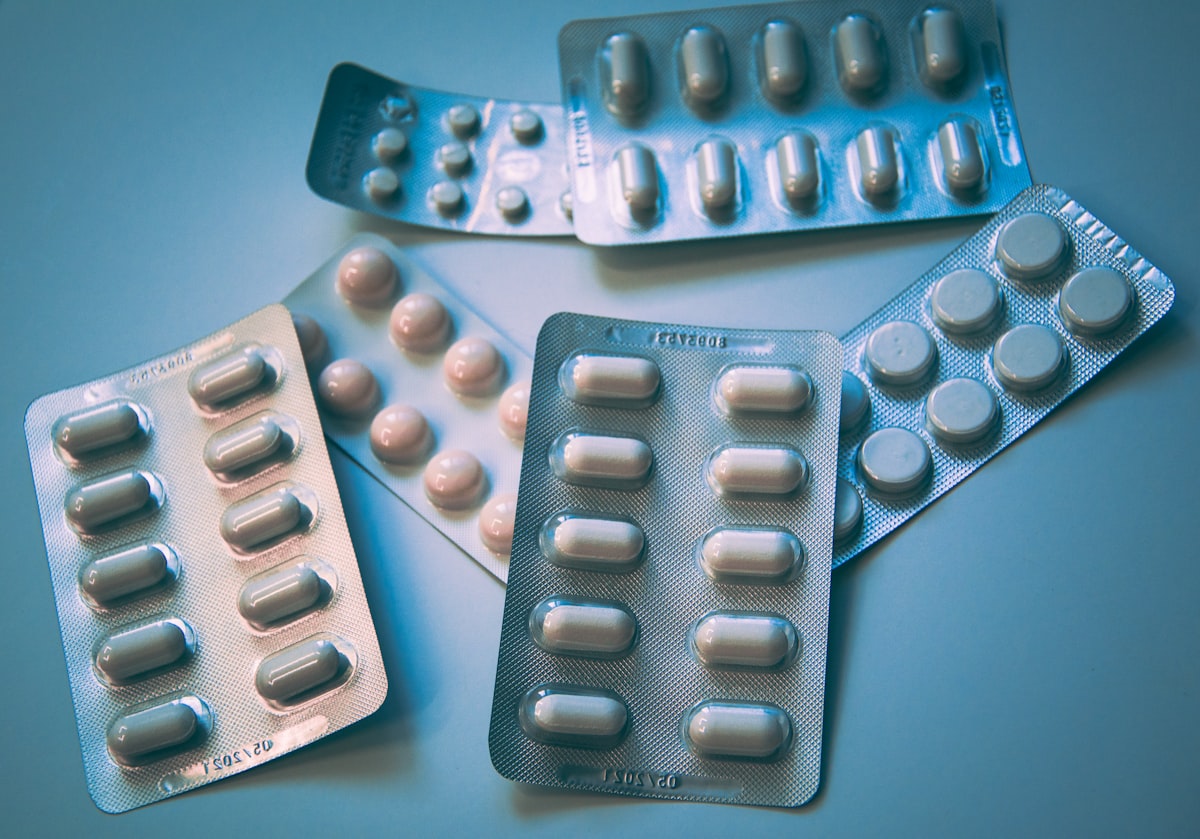
Medicine cabinets quickly become jumbled messes of expired medications, half-used tubes, and random items that aren't medicine. An organized medicine cabinet is safer and more functional, especially when you need something quickly.
Check Expiration Dates
Empty the medicine cabinet completely and check every item's expiration date. Discard anything past its date. Old medications lose effectiveness and can even become harmful.
Most over-the-counter medications last one to two years. Prescription medications should be discarded when they're no longer being taken, even if they're not expired. Never save antibiotics or other prescriptions for later use.
Remove Non-Medicine Items
Medicine cabinets shouldn't hold makeup, hair products, or skincare items. These belong under the sink or in drawers. Keep only actual medications, first aid supplies, and medical tools like thermometers.
This separation serves a practical purpose: when you're sick or injured, you need to locate medicine quickly. Sorting through unrelated items wastes time and creates frustration.
Group by Purpose
Organize medications by category: pain relievers, cold and flu remedies, digestive aids, first aid supplies, and prescription medications. Store each category together.
Small bins or baskets keep categories separate and prevent bottles from toppling over. Label each bin if it helps household members find what they need.
Keep Daily Medications Accessible
Prescription medications taken daily should be at eye level and easy to grab. Less frequently used items can go on higher or lower shelves.
If you take medications at specific times, consider keeping them near where you'll remember to take them—next to your toothbrush for morning pills, for example.
Store Safely If You Have Children
Medicine cabinets in homes with young children should be locked or located out of reach. Even child-resistant caps aren't foolproof. Store medications in upper cabinets or use a locking storage box.
Never leave vitamins or medications that look like candy within reach. Children can mistake them for treats, and even harmless-seeming items can be dangerous in large quantities.
Avoid Bathroom Storage for Some Items
Bathroom humidity and temperature changes can degrade some medications. If you have a consistently humid bathroom, consider storing medications in a bedroom drawer or kitchen cabinet away from heat and moisture.
Check medication labels for storage instructions. Some specifically say to store in a cool, dry place, which a steamy bathroom is not.
Review Quarterly
Set a recurring reminder to check your medicine cabinet every three months. Discard expired items, consolidate partial bottles of the same medication, and restock anything running low.
Regular maintenance prevents the cabinet from becoming cluttered again. It also ensures you have what you need when illness strikes rather than discovering expired cold medicine when you're already sick.