Small bathrooms require careful prioritization of what to keep accessible. When storage is limited, the goal is to keep only what you use regularly and find alternative locations for everything else.
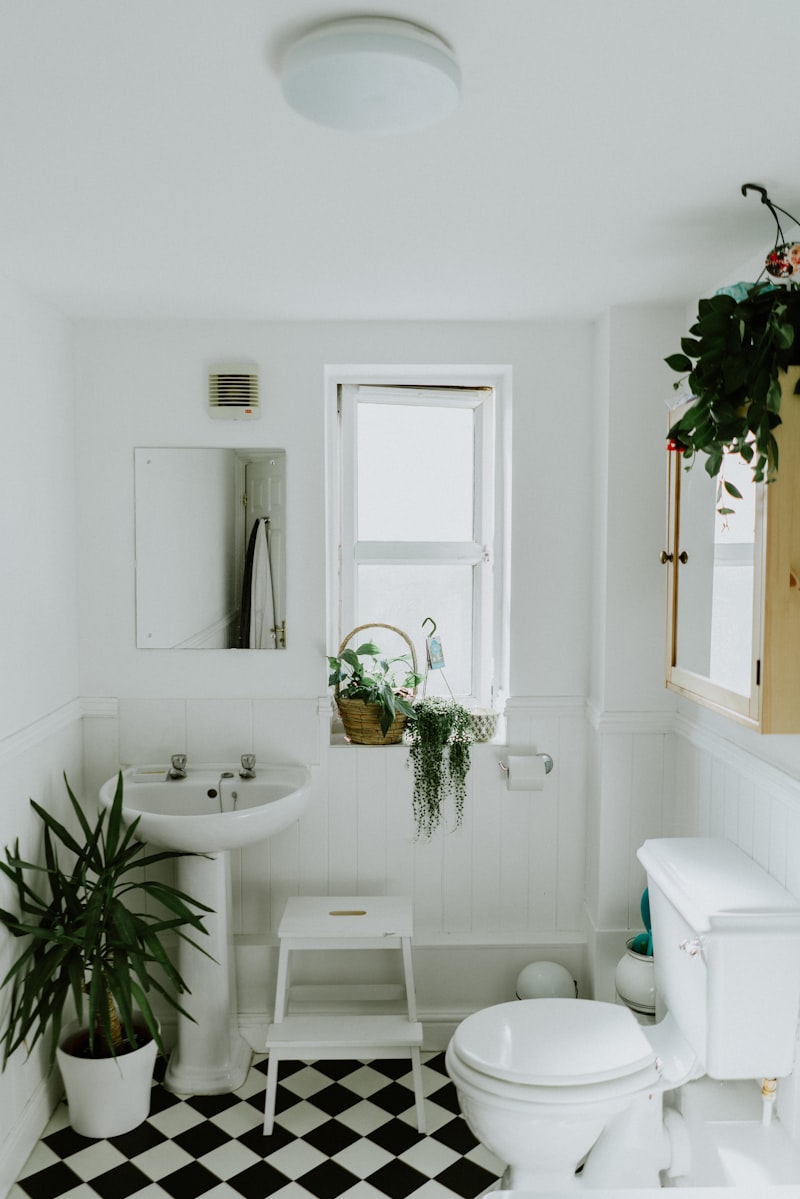
Reduce What You're Storing
The first step in organizing a small bathroom is removing items that don't need to be there. Many bathrooms hold expired products, nearly empty bottles, samples that will never be used, and duplicates of items you already have.
Go through cabinets, drawers, and shower areas and discard anything expired or that you haven't used in six months. Expired medications, old sunscreen, dried-out cosmetics, and skincare products past their useful life should go immediately.
If you have multiple bottles of the same product, consider consolidating or finishing one before keeping backups in the bathroom. Backup supplies can be stored elsewhere until needed.
Keep Only Daily Items Accessible
In a small bathroom, prime storage space should go to items used every day. Toothbrushes, toothpaste, face wash, deodorant, and daily medications are used often enough to warrant easy access.
Items used weekly or less frequently can be stored in a less convenient location. Hair styling tools you use occasionally, nail care supplies, or specialty skincare products don't need to occupy the most accessible cabinet space.
If certain products are used only seasonally, like heavy moisturizers or specific sunscreens, store them outside the bathroom during off-seasons and swap them back when needed.
Use Vertical Space
Small bathrooms often have unused wall space above the toilet, beside the mirror, or on the back of the door. Adding storage in these areas doesn't reduce floor space or make the room feel more crowded.
A narrow shelf mounted above the toilet can hold rolled towels, extra toilet paper, or baskets of supplies. Wall-mounted racks beside the mirror can hold frequently used items.
Over-the-door hooks or racks work well in rentals where wall mounting isn't allowed. These can hold towels, robes, or small baskets of supplies.
Maximize Existing Storage
If you have a medicine cabinet or vanity, make sure you're using the space efficiently. Shelf risers or small bins can organize items so you're not stacking things multiple layers deep.
The area under the sink often holds more than it appears. Pull-out bins or small caddies that fit around plumbing make it easier to access items stored in the back.
Contain Shower and Tub Items
Shower caddies, corner shelves, or tension pole organizers keep products off the tub edge and contained in one area. This prevents bottles from spreading across every surface and makes cleaning easier.
Choose storage that allows water to drain rather than collecting it. Wire or mesh materials work better than solid plastic, which can develop mildew.
Limit the number of products kept in the shower to what household members actually use. Products used only occasionally can be brought in when needed rather than living in the shower permanently.
Store Towels Efficiently
Towels take up significant space in small bathrooms. Rolling towels instead of folding them saves space and makes it easier to see and grab what you need.
If cabinet space is very limited, consider storing backup towels in a linen closet or bedroom closet and keeping only one or two sets in the bathroom itself.
Hooks mounted on walls or the back of the door provide a place for wet towels to dry without taking up shelf or cabinet space. Each household member can have a designated hook for their towel.
Use Drawer Dividers
If you have bathroom drawers, dividers or small containers keep items separated and easy to find. Without dividers, drawers quickly become jumbled and small items get lost at the bottom.
Group similar items together: all hair accessories in one section, dental care in another, makeup or skincare in another. This makes it faster to find what you need and to put items back after use.
You don't need to purchase drawer organizers. Small boxes, jars, or repurposed containers work just as well and cost nothing.
Address Countertop Clutter
Bathroom counters are small and fill up quickly. Items that stay out all the time reduce usable space and collect moisture and grime.
Consider which items truly need to be on the counter versus which ones could be stored in a drawer or cabinet. A soap dispenser and hand towel are necessary, but many other items can be put away between uses.
If multiple people share the bathroom, each person having a small caddy or bin for their personal items can reduce counter clutter. These caddies can be stored under the sink or in a cabinet and pulled out as needed.
Manage Cleaning Supplies
Bathroom cleaning supplies don't all need to be stored in the bathroom itself. If space is tight, keep only a basic all-purpose cleaner and toilet brush in the bathroom and store the rest of your cleaning supplies elsewhere.
A small caddy under the sink can hold the essentials: cleaner, sponge or cloth, and toilet brush. This keeps everything in one place and easy to grab for quick cleaning.
If you have young children, be mindful of where cleaning supplies are stored. Cabinet locks or storing cleaners in a higher location may be necessary for safety.
Deal With Shared Bathroom Challenges
When multiple people use the same small bathroom, organization becomes more important. Each person should have a designated area for their personal items.
Small bins, baskets, or even labeled shelves can give each person their own space. This prevents items from mixing together and reduces conflicts over shared storage.
If drawer or cabinet space can't be divided evenly, consider using portable caddies that each person can keep in their bedroom and bring to the bathroom as needed.
Maintain the System
Small bathrooms become disorganized quickly because there's no buffer space. A few items left out or not put back properly can make the whole room feel cluttered.
A quick daily reset takes only a minute or two: putting products back in their places, wiping down the counter, and hanging up towels. This prevents gradual accumulation of clutter.
Every month or so, check for expired products, empty bottles, or items that are no longer being used. Removing these as soon as you notice them keeps the space functional.
Consider What Doesn't Belong
Not all personal care items need to be stored in the bathroom. Makeup can be kept in a bedroom if that's where you apply it. Hair tools can be stored in a closet if you have more space there.
Items that are sensitive to humidity, like certain medications or paper products, may last longer when stored outside the bathroom anyway.
Moving some categories of items to other rooms can free up enough bathroom storage to make the remaining items easier to organize and access.