How to Organize Kids' Toys in Shared Spaces
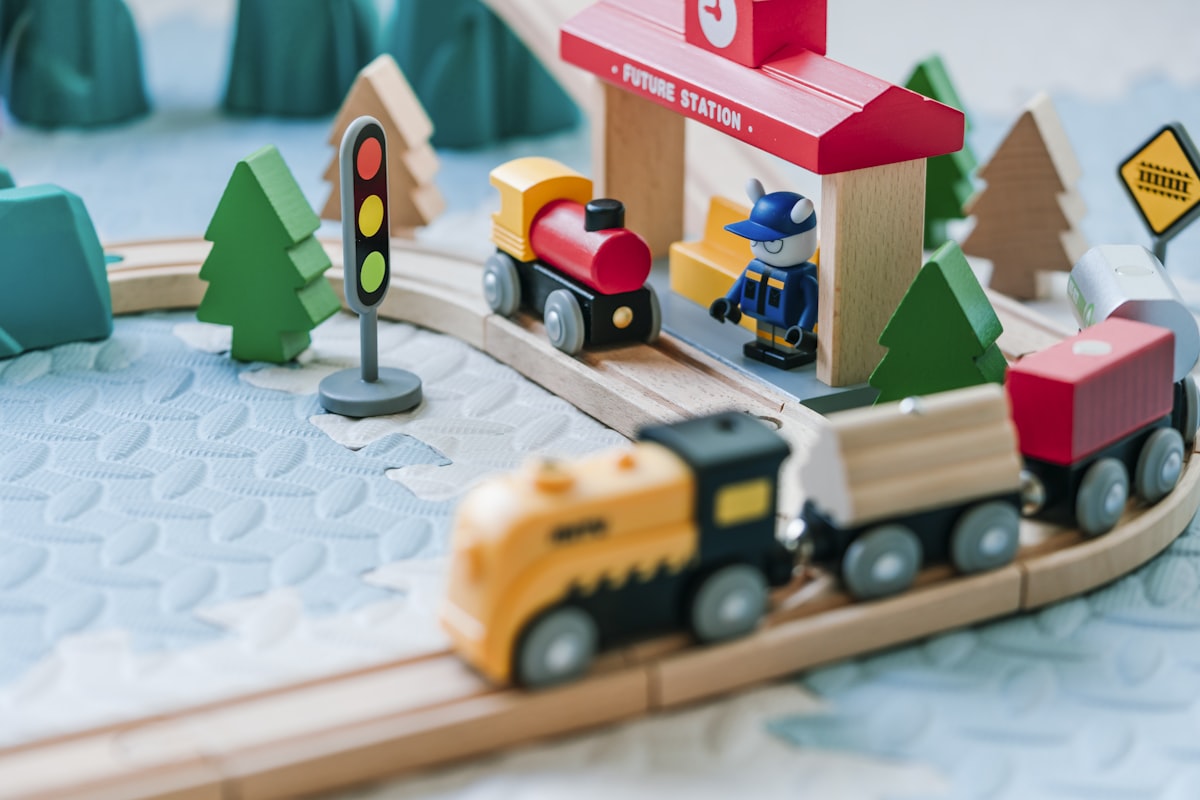
When kids don't have dedicated playrooms, toys end up in living rooms, dining rooms, and hallways. The challenge isn't just storing toys—it's containing them so shared spaces remain functional for everyone.
Limit the Number of Toys
Kids don't need access to every toy they own at all times. Too many options create more mess and often lead to less focused play. Keep a rotating selection available and store the rest.
Every few weeks, swap out the available toys. This keeps things fresh without requiring constant new purchases. Toys that haven't been played with in months can be donated.
Use Contained Storage
Open shelving displays toys like a store, which encourages pulling everything out. Closed bins or baskets keep toys accessible but contained. Kids can still reach what they need, but the visual clutter is reduced.
Choose bins that fit the furniture you already have. A storage ottoman or bench with hidden compartments works in living rooms without looking like a toy box.
Make Cleanup Easy
If putting toys away is complicated, it won't happen. Use large bins for quick cleanup rather than complicated organizing systems with small compartments.
Young kids can't maintain detailed organization. One bin for blocks, one for stuffed animals, one for cars is sufficient. Save elaborate sorting systems for playrooms, not shared living areas.
Set Clear Boundaries
Designate specific areas for play in shared spaces. Toys can come out in the living room but must stay off the dining table. They can spread in one corner but not across the entire floor.
These boundaries help kids understand where play belongs and where it doesn't. It also prevents toys from migrating into every room of the house.
End-of-Day Reset
Build a daily cleanup routine before bedtime. All toys in shared spaces get returned to their storage spots. This prevents gradual accumulation and keeps common areas usable for adults in the evening.
Make cleanup part of the bedtime routine, not a negotiable task. Set a timer for five minutes and have everyone pick up together. This makes it feel less overwhelming and more manageable.
Store Messy Activities Separately
Art supplies, play dough, and small-piece toys don't belong in living room storage. Keep these in bedrooms or designated craft areas where mess is easier to contain.
Shared spaces work best with toys that have minimal cleanup: books, larger building toys, and soft items. Reserve high-mess activities for spaces designed to handle them.